

What is Online Poker?
Online poker is a digital version of the traditional card game of poker, played over the Internet. This game has the same rules and objectives as conventional poker, where players bet based on the GGBET AR value of their poker hand. Platforms offering online poker enable multiple players from different locations to gather virtually and play against each other, making it a convenient and accessible form of entertainment.
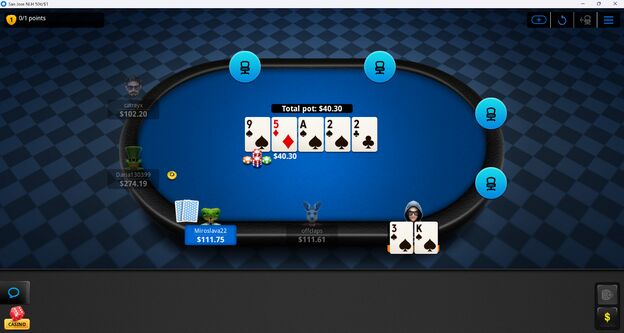
Unlike physical poker, where interaction is face-to-face, online poker relies on virtual cards and chips. Players participate through computers or mobile devices, and game actions are facilitated through user interfaces. These interfaces display information such as player cards, community cards, player actions, and current pot sizes.
The Basics of Poker
To grasp online poker effectively, one must first understand the basic rules and hands in the game. Poker involves rounds of betting, where players can bet, call, raise, or fold based on their confidence in their hand. The goal is to win chips, either by having the best hand at showdown or by convincing others to fold their hands, leaving you as the only remaining contestant.
Poker Hand Rankings
In most forms of poker, hands are ranked from highest to lowest. Here are the conventional poker hands:
1. Royal Flush: The highest possible hand, consisting of A, K, Q, J, 10, all of the same suit.
2. Straight Flush: Any five consecutive cards of the same suit.
3. Four of a Kind: Four cards of the same rank and one side card or ‘kicker’.
4. Full House: Three cards of one rank and two cards of another rank.
5. Flush: Any five cards of the same suit, not necessarily in sequence.
6. Straight: Five consecutive cards of different suits.
7. Three of a Kind: Three cards of the same rank and two unrelated side cards.
8. Two Pair: Two different pairs and one side card.
9. One Pair: One pair and three unrelated side cards.
10. High Card: When you have none of the above, the highest card plays.
Game Variants
Online poker offers various game styles, each with unique rules and strategies. The most popular among them are Texas Hold’em, Omaha, and Seven-Card Stud.
– Texas Hold’em: Each player is dealt two private cards (known as ‘hole cards’) that belong to them alone. Five community cards are dealt face-up on the ‘board’. All players use these shared community cards in conjunction with their hole cards to make their best possible five-card poker hand.
– Omaha: Similar to Texas Hold’em but with four hole cards and five community cards. Players must make their best hand using exactly two of their hole cards along with exactly three of the community cards.
– Seven-Card Stud: There are no community cards in this variant. Instead, each player receives some cards face-up and some face-down. Players use only their own cards to make their best hand.
Choosing an Online Poker Site
Selecting a suitable online poker site is crucial for a beginner. Consider factors like legality, site security, user interface, game types offered, stakes, bonuses, and reputation. It’s important that the platform is licensed and adheres to the legal standards required for gambling operations. Security measures, such as SSL encryption, ensure that your personal and financial information is protected.
Creating an Account
After choosing a site, the next step is to create a player account. This will typically involve providing some personal details and choosing a username and password. Depending on the jurisdiction and site policies, you might also need to verify your identity to ensure compliance with gaming regulations.
Understanding Online Poker Strategies
Effective online poker strategies differ based on the game type and the specific scenario, but some common tactics apply universally.
Starting Hand Selection
Your starting hand will significantly influence your success in poker. For beginners, it’s recommended to play conservatively by choosing only strong hands in the early stages. Hands like high pairs (KK, QQ, JJ) and high suited connectors (AK, AQ) usually offer the best chances.
Position and Betting
Your position (where you are seated in relation to the dealer) affects what hands you should play and how you should play them. Being ‘in position’ means you act after most players during the betting rounds. This allows you to make better-informed decisions as you have seen others act before you.
Betting is another crucial part of your strategy. The size of your bets affects the outcomes and sets the tone for the hand. Effective betting will help protect your cards, build the pot when you have a good hand, or bluff others into folding.
Reading Opponents and Managing Your Bankroll
Observing and interpreting other players’ behavior—both in their betting patterns and physical tells (in cases of live online poker)—can provide crucial insights. Also, ensure you manage your bankroll wisely. Allocate only specific amounts to your sessions and adhere to strict buy-in rules to prevent financial strain.
Practicing and Learning
As in any other game, practice is the key to success in online poker. Most online poker sites offer free versions of their games, where you can practice without financial risk. Utilize these opportunities to familiarize yourself with the pace of the game, the layout of the site, and the subtleties of online play.
Joining online forums, watching tutorial videos, and analyzing better player games can also help improve your understanding and strategy. Poker is as much a game of skill as it is of luck, and continuous learning and adaptation are essential for long-term success.
